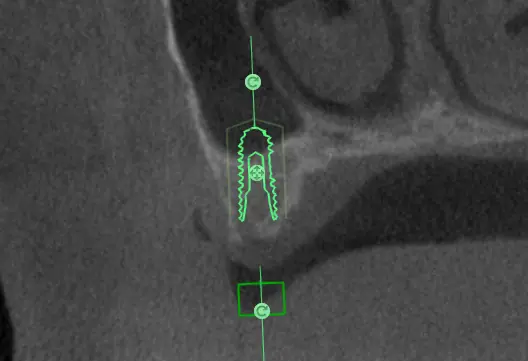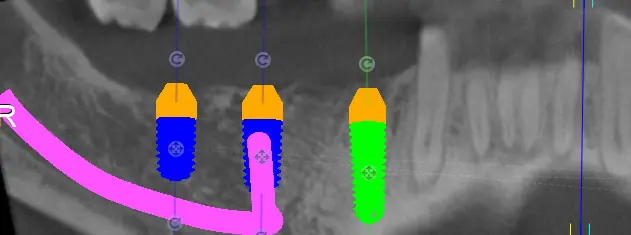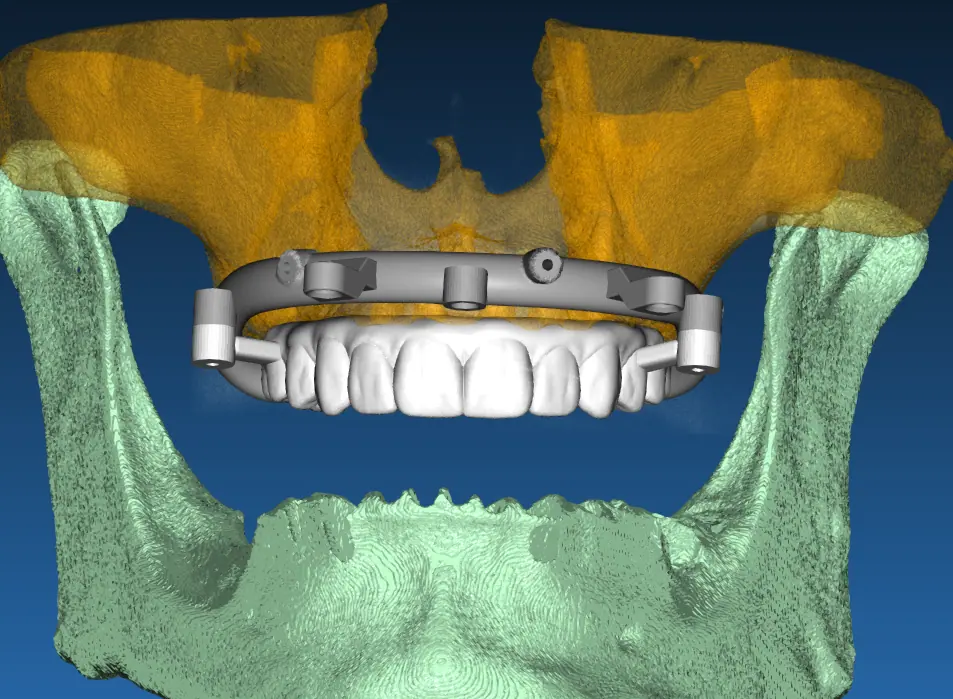
MyNavi Guide · Design Decision

Four directions for the surgical guides website.

These are not final pages. They are decision frames for choosing the visual direction before building `mynaviguide.com` as a dedicated B2B surgical guides and full-arch restorations site.
OPTION 01White / black / cyan

Precision Editorial

Surgical Guides & Full-Arch Restorations for Implant Dentistry

A sharp editorial B2B site: large typography, clean service sections, clinical visuals and direct case-submission CTAs.

Best for

Fast launch, brand continuity with MyNavi Scan

Hero with immediate B2B offer
Guide options
Workflow timeline
Records checklist
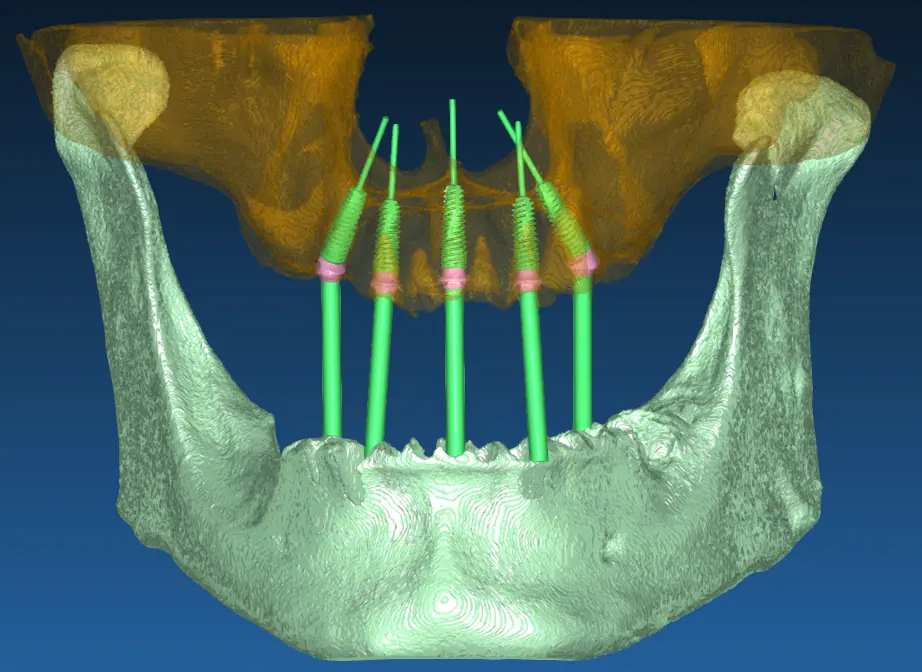
OPTION 02Near-black / graphite / cyan

Digital Lab Command Center

From Records Review to Doctor-Approved Production

A premium technical interface: case flow, planning checkpoints, stackable guide logic and production-readiness cues.

Best for

Tech-forward implant doctors and complex All-on-X cases

Case dashboard hero
Stackable guide system
Planning problems we help reduce
Submit records panel
OPTION 03White / soft gray / deep blue

Clinical Trust

Doctor-Approved Guide and Full-Arch Workflow Support

A restrained medical-lab look: protocol clarity, safety language, checklist discipline and no overpromised outcome claims.

Best for

Conservative referral trust and lab credibility

Protocol-first hero
Doctor approval gates
Records needed
FAQ and compliance notes
OPTION 04Warm white / ink / material-coded accents

Full-Arch Product Catalog

Surgical Guides, Temporaries and Final Full-Arch Options

A service-catalog site: clear cards for guide types, PMMA, zirconia, hybrid options, records requirements and lead magnets.

Best for

SEO, material education, doctors comparing options

Service catalog hero
Material comparison
All-on-X records checklist
Resources hub

Recommendation

Start with Precision Editorial.

It keeps brand continuity with MyNavi Scan, uses assets already in the codebase, and can launch faster. Pull selected pieces from the other directions: command-center workflow blocks, clinical trust language and product-catalog material cards.